1301

Author
Meat.Milk
Share on


Published on
2026 April 21
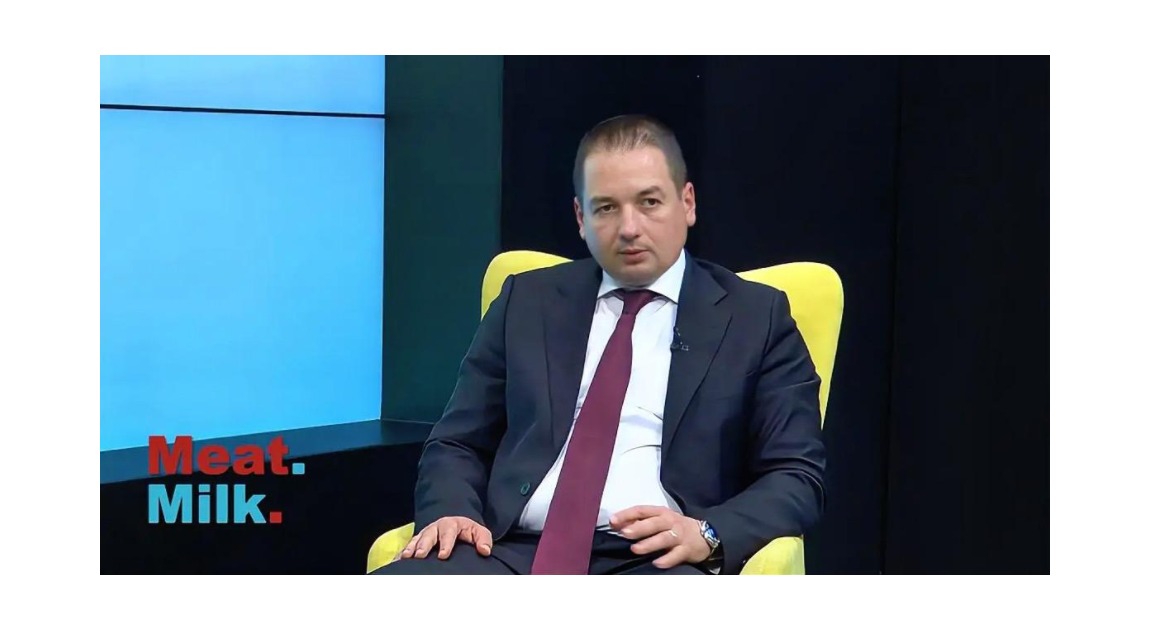
Food safety is a strategic component of national security, with direct impact on public health, the functioning of the agri-food market and access to export markets.
In Romania, this role is managed by the National Sanitary Veterinary and Food Safety Authority (ANSVSA), an institution led by Alexandru Bociu, a career veterinarian trained within the system and coming from a family with a long-standing tradition in the field. His professional path, from control and inspection activities to central-level coordination, reflects a model of internal progression within a system where field experience remains relevant to administrative decision-making.
From an operational perspective, Romania manages one of the most complex sanitary contexts in the region. According to data from ANSVSA and the European Commission, African swine fever generated, at its peak, more than 1,500 outbreaks, impacting production and trade, while episodes of avian influenza and the emergence of new diseases have required rapid and coordinated interventions. In this context, the capacity to react and contain the spread of disease becomes essential for maintaining the functionality of the agri-food sector.
A central pillar of the system is laboratory infrastructure. Romania operates a national network coordinated by reference institutes: the Institute for Diagnosis and Animal Health, responsible for animal disease diagnosis and epidemiological surveillance; the Institute of Hygiene and Veterinary Public Health, specialized in food safety and contaminant control; and the Institute for the Control of Biological Products and Veterinary Medicines, which ensures quality control of veterinary medicinal products.
The modernization of this infrastructure has been carried out progressively, especially after 2020, through public investments and European funds targeting high-precision analytical equipment and increased processing capacity. These investments support reduced response times and strengthen official control across the entire food chain.
From an economic perspective, food safety is directly correlated with the opening of external markets. In recent years, Romania has expanded access for agri-food products to multiple markets: the United States of America, the People’s Republic of China, Vietnam, Saudi Arabia, Jordan, Algeria, Morocco and countries in Sub-Saharan Africa, alongside the consolidation of trade relations within the European Union. According to data from the Ministry of Agriculture and the European Commission, these openings have been supported by technical negotiations, sanitary certifications and alignment with international standards.
The functioning of the system remains dependent on human resources and administrative coherence. Public data indicate a significant staff shortage relative to the volume of activity, given that ANSVSA carries out thousands of inspections monthly and manages a high number of authorized units. In this context, the digitalization of sanitary-veterinary services and the integration of data systems represent priority directions, supported through projects financed by European funds.
The evolution of the system indicates a transition from punctual intervention to prevention and integrated risk management. In a European context marked by sanitary pressures and trade volatility, ANSVSA functions not only as a control authority, but as a mechanism of stability for the agri-food sector and for consumer protection.
Did you learn something new from this article?
Read also: