305

Author
Meat.Milk
Share on


Published on
2026 March 20
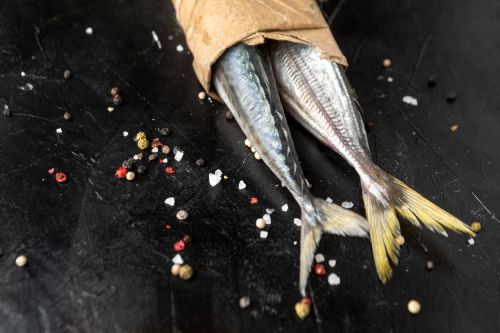
Mackerel (Scomber scombrus) is one of the most widely consumed fish species in Europe, due to its high availability, nutritional value, and affordable price. According to data published by the FAO, mackerel catches in the North Atlantic exceed 1 million tons annually, with the main fishing areas managed by countries such as Norway, Iceland, and European Union Member States. Mackerel is a pelagic species with well-defined migration cycles, which allows for efficient exploitation within internationally established quotas.
In the European Union, mackerel holds an important place in fish consumption, especially in northern and western countries, where it is marketed as fresh, frozen, or smoked products. According to Eurostat data, intra-EU trade and imports from the North Atlantic ensure a constant supply on the market. The relatively low production costs, compared to premium species, make mackerel one of the main options for mass consumption.
In Romania, mackerel is one of the most widely available fish products in retail, being sold בעיקר in frozen or smoked form. Overall fish consumption remains low, at approximately 8–9 kg per capita per year according to the National Institute of Statistics, but mackerel contributes significantly to this level due to its affordability and constant availability. Imports mainly come from Nordic countries and other European markets, and the product is integrated into both modern distribution chains and traditional trade.
From an economic perspective, mackerel plays a strategic role in balancing fish consumption in Romania, serving as an affordable alternative to premium species such as salmon. At the same time, the total dependence on imports reflects the absence of a relevant domestic production. In the medium term, the evolution of this segment will depend on the stability of North Atlantic stocks and on fisheries management policies at the European level, given that demand for affordable and nutritious products remains constant on the Romanian market.
(Photo: Freepik)
Did you learn something new from this article?
Read also: