369

Author
Meat.Milk
Share on


Published on
2026 March 12
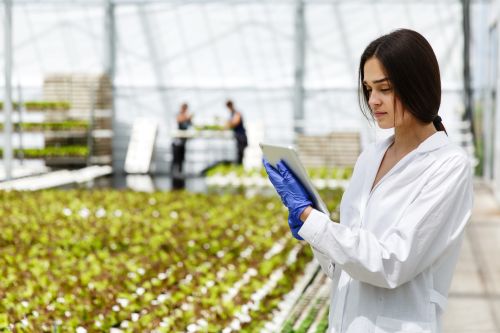
The European food chain is defined not only by agricultural production, but primarily by the capacity to process raw materials. Without this stage, agriculture would remain a sector with limited economic value, dependent almost exclusively on commodity prices.
Food processing represents the point at which agricultural raw materials are transformed into value-added products: cut meat, dairy products, processed meat products, bakery goods, or preserved foods. This stage integrates industrial technologies, logistics, sanitary control, and marketing.
From an economic perspective, the food industry is the largest industrial sector in the European Union. Its annual turnover exceeds €1.2 trillion, and the sector includes approximately 290,000 companies and more than 4.5 million employees. Most companies are small and medium-sized enterprises, although production volumes are concentrated around large industrial operators.
In many European countries, the economic value generated by food processing significantly exceeds the value of primary agricultural production. This explains why agricultural and industrial policies are increasingly linked to the development of processing chains and logistical integration.
For national economies, the food industry plays a strategic role. It connects agriculture with the consumer market, supports exports, and generates stable jobs in both rural and urban areas.
In 2026, the competitiveness of the sector depends not only on production capacity, but also on the efficiency of the industrial chain: technology, logistics, traceability, and the ability to respond rapidly to market demands.
(Photo: Freepik)
Did you learn something new from this article?
Read also: