337

Author
Meat.Milk
Share on


Published on
2026 March 12
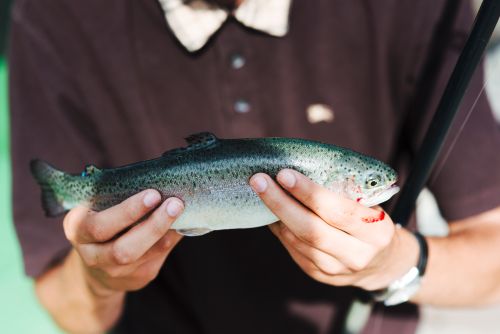
Trout, particularly rainbow trout (Oncorhynchus mykiss), represents one of the most important species in freshwater aquaculture at the European level. According to data published by FAO and reported to Eurostat, annual trout production in the European Union exceeds 180,000 tonnes. The main producers are France, Italy, Denmark, and Spain, countries that have developed intensive farming systems in flow-through water basins, based on modern feeding technologies and environmental control.
The European production model is characterized by high yields and integration within the processing chain. In intensive farms, productivity can exceed 40–60 kilograms of fish per cubic meter of water, while the production cycle is optimized through specialized feed and strict control of environmental parameters. Under these conditions, trout is marketed both as a fresh product and as fillets or smoked products, increasing the species’ economic value within the food sector.
In Romania, trout is one of the main species in intensive aquaculture, alongside carp. According to data published by the National Institute of Statistics and sectoral reports of the Ministry of Agriculture and Rural Development, annual trout production is estimated at approximately 4,000–5,000 tonnes, produced in several hundred fish farms located in mountain and sub-mountain areas. Production is primarily marketed on the domestic market, through direct sales, restaurants, or local retail.
Compared with other European countries, Romania’s trout sector remains fragmented and dominated by small and medium-sized operations. Investments in farm modernization and processing are essential for increasing competitiveness. In the context of growing consumer interest in fresh products and aquatic protein sources, trout has the potential to become one of the highest value-added species in Romanian aquaculture, provided that production is consolidated and stable marketing channels are developed.
(Photo: Freepik)
Did you learn something new from this article?
Read also: