344

Author
Meat.Milk
Share on


Published on
2026 March 23
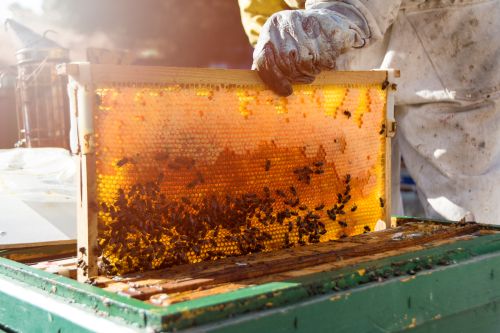
The Ministry of Agriculture issued in March 2026 an order updating the implementation framework for interventions dedicated to the apiculture sector, part of the CAP Strategic Plan 2023–2027. The measure primarily aims at a strict alignment between incurred expenditures and the amounts eligible for payment, in a sector which, according to data from the European Commission and Eurostat, includes over 2.3 million bee colonies in Romania, representing approximately 10–12% of the European Union total. Romania remains among the leading honey producers in the EU, with an annual output varying between 20,000 and 30,000 tonnes depending on climatic conditions.
The order introduces clarifications regarding supporting documents and cost limits for equipment, treatments, and other eligible expenditures, reducing discrepancies in interpretation within the reimbursement process. Under the apiculture interventions financed through the CAP, the annual support available for Romania is estimated at approximately EUR 12–15 million, co-financed by the EU and the national budget. The new rules impose stricter traceability of expenditures and alignment with reference prices, with a direct impact on how beekeepers plan their investments.
A strengthened role is assigned to the Agency for Payments and Intervention in Agriculture, responsible for verifying compliance and evaluating declared costs. Administrative and on-site controls become more stringent, given that the error rate in EU-funded programmes is monitored at the level of the European Commission, and financial corrections may affect national budgets. In this context, the standardization of procedures aims to reduce the risks of ineligibility and to increase the absorption rate of funds.
The apiculture sector operates in a volatile economic environment, marked by rising costs for supplementary feed, fuel, and beekeeping materials, as well as by production fluctuations caused by weather conditions. Data from FAO and European organizations indicate annual variations of up to 30–40% in honey production depending on the season. In this context, the MADR order signals a shift towards financial discipline and enhanced administrative control, with a direct effect on access to support and on the economic stability of beekeeping operations.
(Photo: Freepik)
Did you learn something new from this article?
Read also: