392

Author
Mihnea Vasiliu
Share on


Published on
2026 March 10
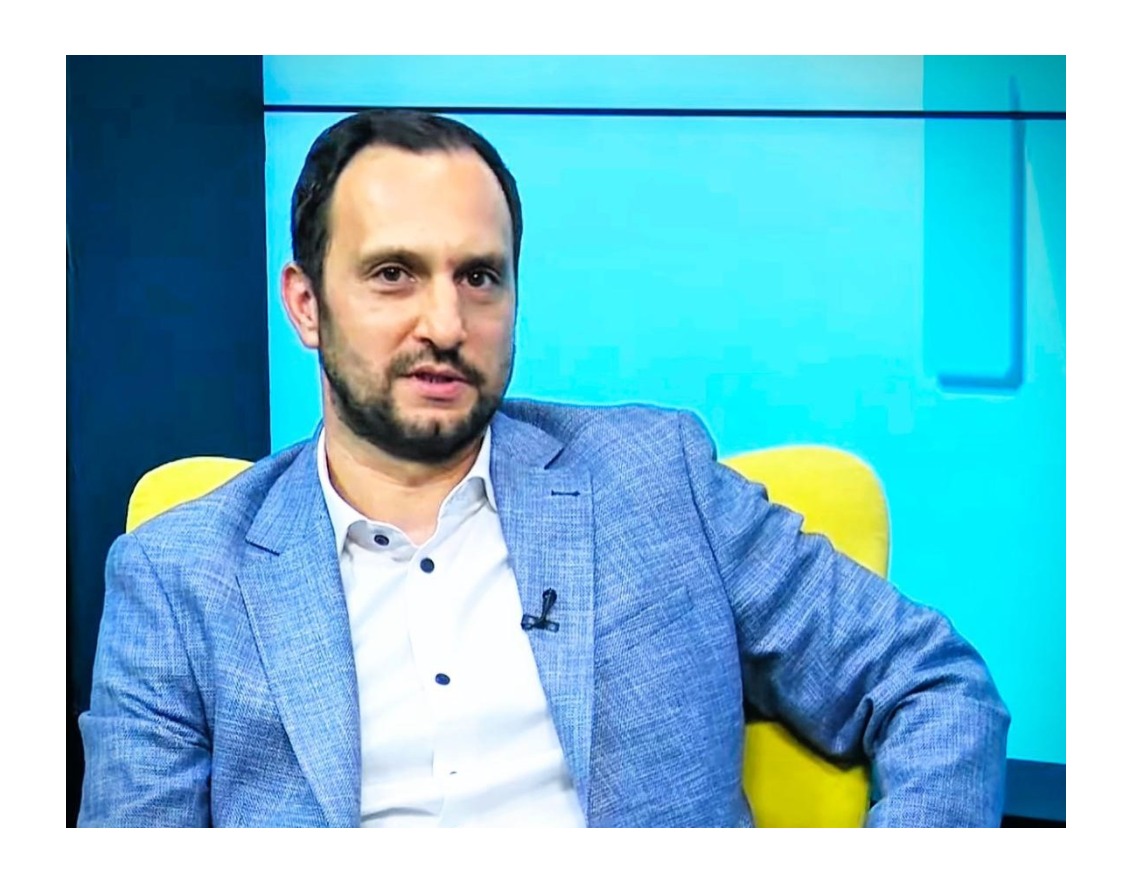
Between the first editorial and this issue, months of real conversations have accumulated. In a previous issue we spoke about meaning. Today, after direct dialogues with processors, retailers, farmers, and decision-makers, we speak about structure.
I have met processors operating at the limit—not because of a lack of competence, but because of a lack of coherence around them. Some wonder whether the chain surrounding them will hold. People from retail, from public administration, and from the industry—each speaking correctly from their own position, but rarely in the same sentence or within the same economic logic.
The data confirms what the conversations suggest.
Romania has more than 2.8 million agricultural holdings and concentrates 31.8% of all farms in the European Union. Most are under 5 hectares. At the opposite end, fewer than 900 large farms concentrate a significant share of the high-performing agricultural land. Between these two structural realities lies the food industry.
The food industry generates over 190,000 jobs and represents approximately 20% of the turnover of the manufacturing industry. Food production brings together more than 14,000 companies and generates an annual turnover of around €16.5 billion.
We do not lack standards. We do not lack initiative. What is missing is the stable connection between the 2.5 million small holdings and the more than 14,000 processing companies.
The meat industry operates in a saturated European market, under constant pressure on costs and compliance. The dairy sector produces approximately 4 million tonnes of raw milk annually, yet integration into competitive processing remains vulnerable. The European funds allocated to Romania through the current Common Agricultural Policy exceed €15 billion for the period 2023–2027. However, without coordination between the links of the chain, capital does not automatically create a value chain.
In recent years, the agri-food trade deficit has consistently exceeded €3 billion annually. This figure says more than a simple difference between exports and imports. It indicates that value added stops too early.
What I have observed in the meantime is simple and uncomfortable: the Romanian food industry can no longer be interpreted in terms of isolated crises. It is not facing a capacity crisis. It is no longer only about prices, energy, labor, or regulation analyzed separately. It is about a system that has learned to survive in a fragmented way. Each link optimizes its own balance: the farmer for cost, the processor for margin, the retailer for turnover and predictability, the state for absorption. Between them, value is diluted.
For years we have confused modernization with survival. We called resilience what was, in fact, defensive adaptation. We celebrated investments that solved isolated problems without asking whether they connected with one another. We accumulated policies, programs, and rules, but avoided the essential question: who actually links production to processing and processing to the market?
The industry that will remain competitive is the one that assumes vertical integration, invests in standardization and technological consistency, develops higher value-added products, and builds stable partnerships with viable farms. It is not about size, but about coherence—the capacity to connect production with processing and processing with the market within a predictable system.
The coming years will not distinguish between those who produce and those who do not, or those who produce less. They will distinguish between those who control the chain and those who sell raw materials at the farm gate.
Mihnea Vasiliu Editorial Director – InfoGroup Host of the Meat.Milk. Program
Did you learn something new from this article?
Read also: