1545

Author
Meat.Milk
Share on


Published on
2026 March 09
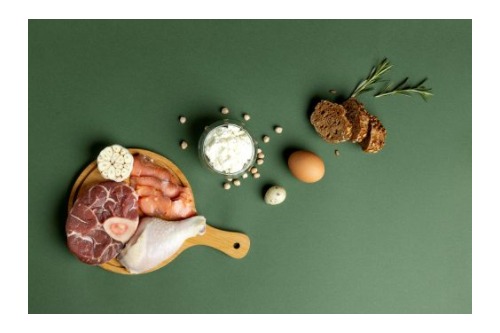
In 2026, the consumption of animal-origin products in the European Union remains relatively stable, despite ongoing debates regarding the sustainability of diets and changing dietary preferences. Data published by the European Commission and Eurostat indicate an average meat consumption in the EU of between 65 and 67 kg per capita annually, with significant differences between Member States.
The structure of consumption is dominated by pork, which accounts for approximately 31–32 kg per capita, followed by poultry meat with around 23–24 kg, while beef consumption stands at about 10 kg per capita. Developments in recent years indicate a slow increase in poultry consumption, considered more economically accessible and more efficient in terms of feed conversion.
In the case of dairy products, the European Union remains one of the largest consumer markets globally. According to European statistics, annual consumption exceeds 230 kg milk equivalent per capita, including fresh milk, cheeses, yogurts and fermented products. Cheese consumption exceeds 20 kg per capita annually in many Western European countries, reflecting the central role of dairy products in the European diet.
The differences between Member States are significant. In Western Europe, higher incomes and culinary traditions support higher consumption of dairy products and premium meat. In Central and Eastern Europe, the structure of consumption is more strongly influenced by price and product availability.
For the food industry, these data indicate a stable but competitive market. In 2026, the main challenge is not the reduction of animal product consumption, but the adaptation of the sector to new requirements regarding traceability, product quality and production sustainability.
(Photo: Freepik)
Did you learn something new from this article?
Read also: